
Categories
Packaging
Product packaging is much more than just practical protection for goods. It is a key element of a marketing strategy that can significantly influence consumers’ purchasing decisions. In today’s competitive world, where store shelves are filled with a wide variety of products, packaging becomes a silent salesperson—one that attracts attention, encourages purchase, and strengthens brand identity.
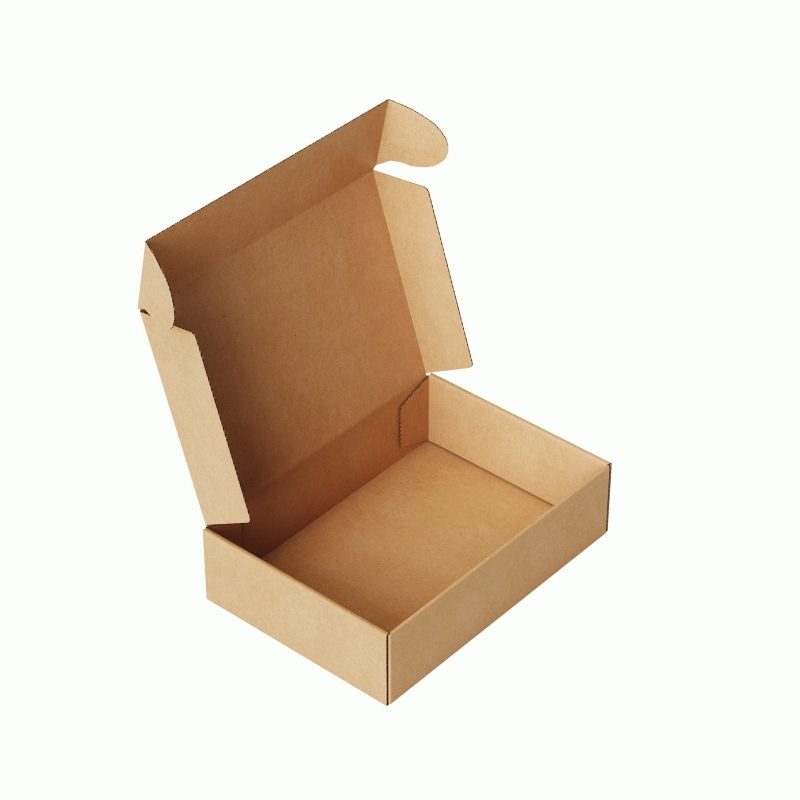
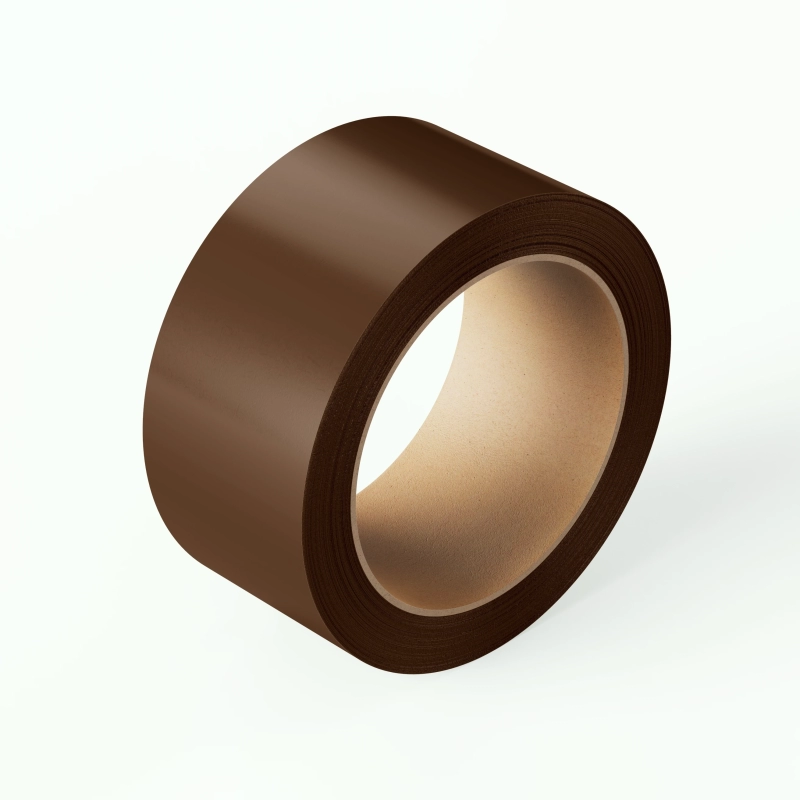
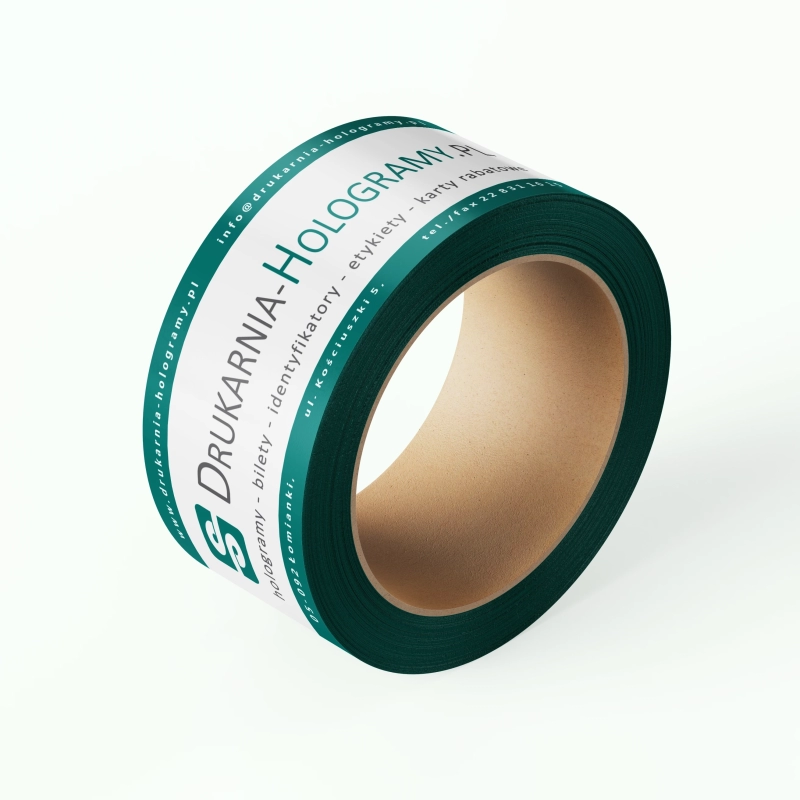
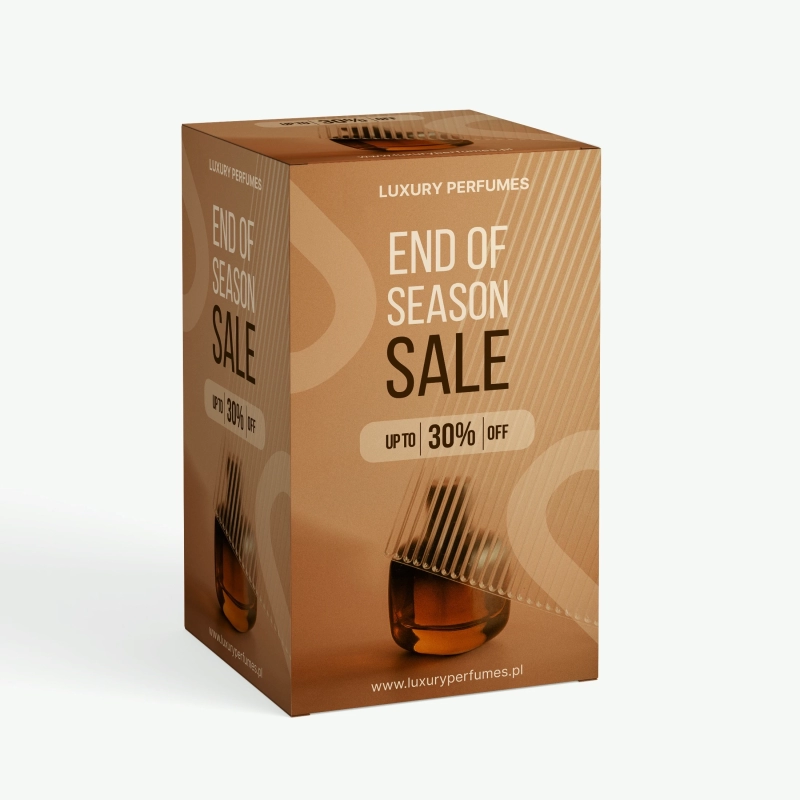
The first impression a product makes on consumers often comes directly from its packaging. Good packaging should be visually appealing while remaining consistent with the brand’s image. Color schemes, shape, and materials all contribute to a unique design intended to catch the consumer’s eye. For example, luxury brands often choose minimalist designs with elegant details and subdued colors to emphasize exclusivity. In contrast, products aimed at children or teenagers often feature packaging full of vibrant colors, interesting graphics, or cartoon characters to attract younger consumers.
Packaging is also a carrier of information. Another aspect consumers pay attention to is the clarity of the information provided on the packaging. It should deliver essential details about the product, such as ingredients, instructions for use, or expiration dates. In the case of food products, nutritional information is also important, especially for increasingly health-conscious consumers. Moreover, thoughtful layout and readability of this information can help build trust in the brand.
An ecological approach to packaging is also gaining importance. Consumers are increasingly aware of the environmental impact of their purchases. Environmentally friendly packaging made from biodegradable or recyclable materials is positively perceived by customers. Brands that invest in sustainable solutions not only gain consumer approval but also build a positive image as responsible companies that care about the future of the planet.
Personalization is another trend that is achieving success in the packaging market. Consumers expect products tailored to their individual needs and preferences. Personalized packaging featuring the buyer’s name, a unique message, or a distinctive design can make a product feel more valuable in the eyes of the customer. This approach not only increases consumer loyalty but also strengthens customer engagement with the brand.
One must also not forget the functionality of packaging. Well-designed packaging should be not only aesthetic but also practical to use. Easy opening, convenient storage, or the possibility of reuse are aspects that can significantly enhance the consumer experience. For example, packaging with dispensers, airtight closures, or ergonomic shapes that allow for comfortable handling is appreciated by customers and can help a product stand out from the competition.
In summary, packaging is an indispensable element of a product’s marketing strategy. It is meant not only to protect the product but also to attract attention, provide information, evoke emotions, and remain consistent with the brand’s image. Well-designed packaging is a tool that can significantly influence a product’s success in the market by building positive relationships with consumers and strengthening their loyalty to the brand. In an era of growing competition, investing in innovative, aesthetic, and functional packaging can become a key factor for success.